
Introduction
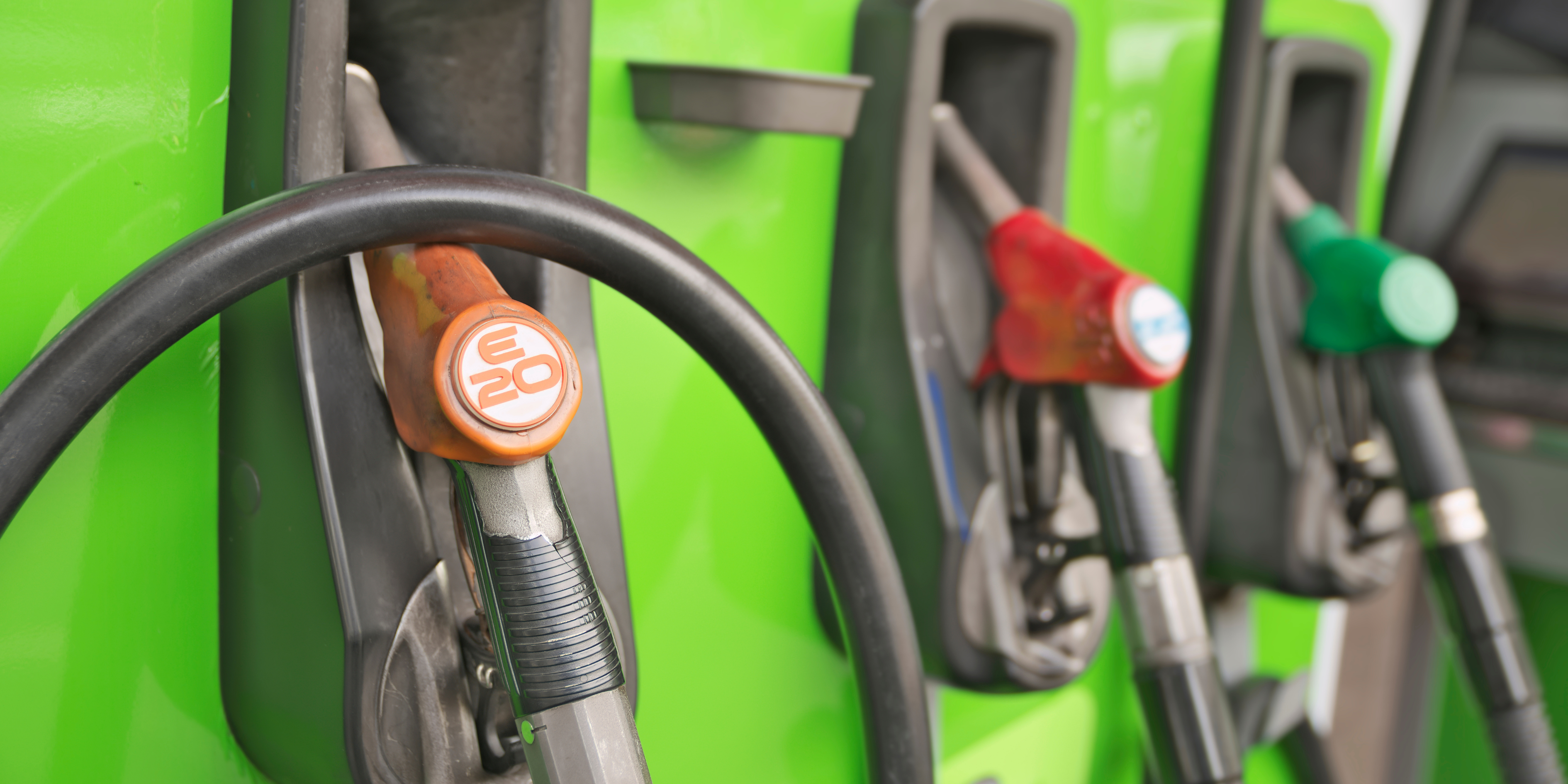
India’s transition to E20 petrol-a blend of 20 percent ethanol and 80 percent fossil-based petrol-is no longer a distant policy goal. As of 2026, it has become the primary standard at fuel stations across the country. While mass-market vehicles have adapted relatively quickly, owners of luxury and performance cars continue to face uncertainty.
Common concerns among premium car owners include:
- Will E20 significantly reduce engine performance or fuel mileage?
- Is the fuel safe for high-compression, turbocharged engines?
- How will this shift affect long-term reliability and manufacturer warranties?
This article provides an in-depth look at e20 fuel advantages and disadvantages, the technical readiness of e20 compatible luxury cars in India, and the broader e20 fuel benefits for the automotive landscape.
What Is E20 Fuel?

E20 is a petrol blend containing 20 percent anhydrous ethanol, a biofuel typically derived from sugarcane, maize, and broken food grains. Under India’s National Policy on Biofuels, the government accelerated the rollout to achieve nationwide availability by 2025-2026.
Why India Is Moving to E20

The primary e20 fuel benefits extend far beyond the tailpipe:
- Energy Security: Reducing the heavy reliance on crude oil imports, saving billions in foreign exchange.
- Environmental Impact: Lowering lifecycle greenhouse gas emissions by up to 30 percent compared to standard petrol.
- Agricultural Support: Creating a stable market for Indian farmers, turning surplus crops into valuable fuel.
- Economic Stability: Shielding the domestic economy from the volatility of global oil prices.
Why E20 Is a Unique Concern for Luxury and Performance Cars
Luxury and performance vehicles are engineered with much tighter tolerances than standard commuters. These machines often feature:
- High Compression Ratios: Engines that require high-octane fuel to prevent “knocking” or pre-ignition.
- Advanced Forced Induction: Turbocharged and supercharged systems that are sensitive to fuel quality and thermal properties.
- Precision Components: High-pressure fuel pumps and injectors that can be sensitive to the solvent properties of ethanol.
- Global Calibrations: Many luxury cars are imported or use global engine maps that may not have been originally designed for high-ethanol Indian blends.
Impact of E20 Fuel on Luxury Car Engines
Engine Performance and Power Output
Ethanol naturally possesses a higher octane rating (approximately 108.5) compared to pure petrol. In modern e20 compatible cars in india, the Engine Control Unit (ECU) can advance ignition timing to take advantage of this, potentially leading to smoother combustion and better throttle response. However, if an engine is not specifically tuned for E20, the lower energy density of ethanol may lead to a slight perception of reduced “punch” during aggressive driving.
Fuel Efficiency and Mileage
One of the noted e20 fuel advantages and disadvantages is the impact on efficiency. Ethanol contains about 33 percent less energy per gallon than pure gasoline. For the average luxury car, this translates to a mileage drop of 3 to 6 percent. Owners may notice a more pronounced dip in heavy city traffic compared to steady-state highway cruising.
Engine Longevity and Reliability
The concern regarding corrosion is largely a matter of material science. Ethanol is hygroscopic (it attracts water) and can be corrosive to certain rubbers and metals. However, for vehicles manufactured after April 2023, manufacturers have replaced these vulnerable parts with ethanol-resistant polymers and coated metals, ensuring long-term reliability is not compromised.
E20 Compatible Cars in India: Luxury Brand Readiness
Most premium manufacturers have proactively updated their portfolios. Since April 2025, every new petrol car sold in India must be E20 compliant.
- Mercedes-Benz: Has confirmed that most models produced from 2023 onwards are fully E20 compliant. Many of their global engines have been material-compatible for over a decade.
- BMW: Newer petrol variants across the 3 Series, 5 Series, and X-range are designed for E20. Owners of older M-performance models should consult their manuals for specific octane requirements.
- Audi: The current TFSI engine lineup in India is increasingly optimized for ethanol blends, with most post-2023 models carrying official E20 certification.
- Lexus and Volvo: Both brands have shown high readiness, with Lexus benefiting from hybrid systems that mitigate the efficiency losses often associated with ethanol.
E20 Fuel Advantages and Disadvantages
Advantages
- Higher Knock Resistance: The high octane content of ethanol helps prevent engine knocking in high-performance engines.
- Cleaner Combustion: Reduces carbon deposits inside the engine, potentially leading to cleaner valves over time.
- Better Cooling: Ethanol has a higher latent heat of vaporization, which can help cool the intake air, a benefit for turbocharged engines.
Disadvantages
- Hygroscopic Nature: The fuel can absorb moisture if the car is left stationary for several months, which may lead to fuel system issues.
- Reduced Range: The slight drop in mileage means more frequent trips to the fuel station for long-distance tourers.
- Legacy Incompatibility: Older performance cars (pre-2012) may require aftermarket fuel line upgrades to handle the solvent effects of 20 percent ethanol.
What Luxury Car Owners Should Do Now
- Verify Compliance: Check the fuel filler cap or the owner’s manual for an “E20” or “E10-E20” sticker.
- Maintain Regularly: Ensure fuel filters are replaced according to the service schedule, as ethanol can act as a solvent and loosen old deposits in the tank.
- Use High-Octane Blends: For high-performance vehicles, using premium ethanol-blended fuels like XP95 or Power95 can provide the necessary octane stability.
- Storage Caution: If you plan to store your luxury car for more than a month, consider using a fuel stabilizer to prevent moisture absorption.
Final Takeaway
The shift to E20 is a significant evolution for the Indian automotive sector. For owners of modern luxury and performance cars, it is not a threat but a change that requires awareness. By choosing e20 compatible cars in India and following proper maintenance protocols, you can enjoy the e20 fuel benefits of lower emissions and better engine cooling without sacrificing the premium driving experience.

As the Indian landscape continues to shift toward sustainable mobility, staying informed is the best way to protect your automotive investment. Follow Motozite for the latest updates on luxury car trends, expert technical analysis, and deep dives into the technologies shaping the future of driving in India. Whether you are looking for performance comparisons or the latest industry news, we bring you the insights you need to stay ahead of the curve.
